

Airswimming: In Conversation with Nichole Hamilton
NEWS | TUESDAY, MARCH 17 | BY FUSION STAFF WRITER, RUDOLFO CARRILLO
Nichole Hamilton is one of two actors cast in the upcoming FUSION production of Airswimming. She plays Dora (Dorph), a woman who is most comfortable when she is in command, when she adopts the cultural accoutrements and attire of a traditional Englishman.
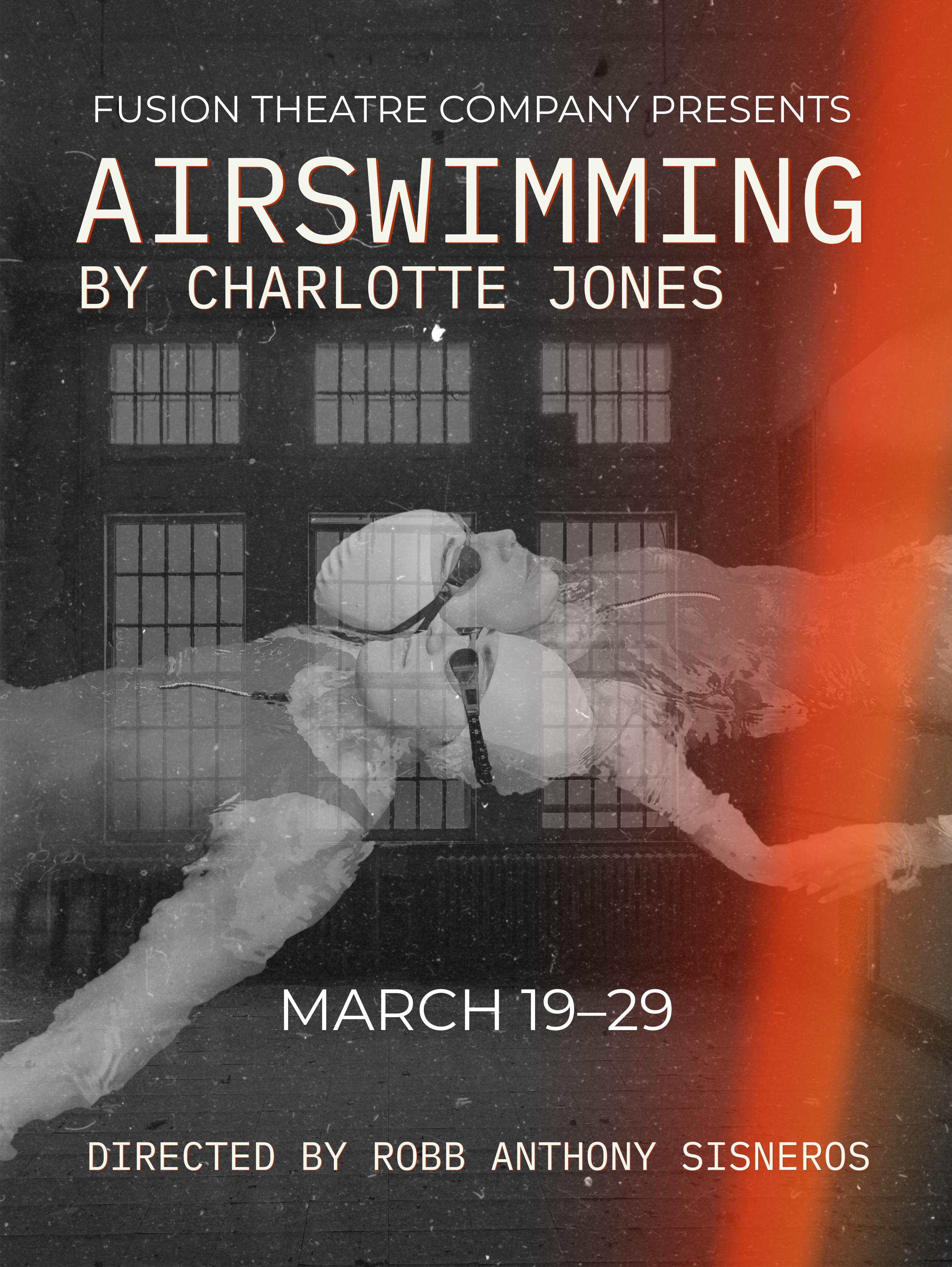
But that ease of comfort with her authentic identity comes at a steep price. In the play—since the Fourth of July in 1922, to be precise—she has been locked away in a mental institution, having been called out by her family as a “moral imbecile.”
It’s in that isolated, punitive world that she meets Persephone (Porph), a woman who gave birth to an illegitimate child. That act resulted in commitment to the same institution. When Dora meets Persephone, she tells the new resident, “I shall be your superior officer for a while, but don’t worry, I’m not one to pull rank. We do this polishing duty for one hour each day. The rest of the time, we shuffle and look crazed. They prefer it that way.”
The bond the two form after that initial meeting is both intense and comical; it forms the basis for a tragicomical exploration of friendship, freedom, and redemption that becomes a play both poetically tragic and prosaically hopeful, a play that opens at FUSION on Thursday, March 19, at 7 p.m.
I spent some time conversing with Hamilton about the play, about the role of Dora. Here are some of those words, dear reader, words that we hope will lead you to do your own Airswimming.
Rudolfo Carrillo: Let’s talk about the play, your performance, and the audience, too. What’s important to you about Airswimming?
Nichole Hamilton: I’m always drawn to a story about women. I play Dora Kitson, and at times throughout the play, Dorph, who is the same woman. This is with Wendy Barker, who plays Persephone-slash-Porph. I got to thinking about this particular play, and plays of this type, is that there are always questions. That means that when we put this play down at the end of March, I’ll still be ruminating on what that was about, what missing information do we have to fill in? So I love plays that leave us with questions instead of spoon-feeding us all the answers. One of the discoveries that popped up for me was that I think these women represent the two sides of women; the woman who is the taskmaster, the leader, the one who requires focus and gets the job done. Then there's the other woman [Persephone], who brings imagination, a sense of play and what society considers more feminine aspects to the fore. I really appreciate that partnership [in the play], how they start the play on opposite poles but by the end have almost flipped those roles. I love that aspect, the partnership, the duality of “woman.”
Who is Dora Kitson?
As far as Dora goes, she is the taskmaster. She wants to be a soldier, she wants to fight for king and country. She wants to wear men’s clothing and smoke cigars. That’s why she was put in an institution.
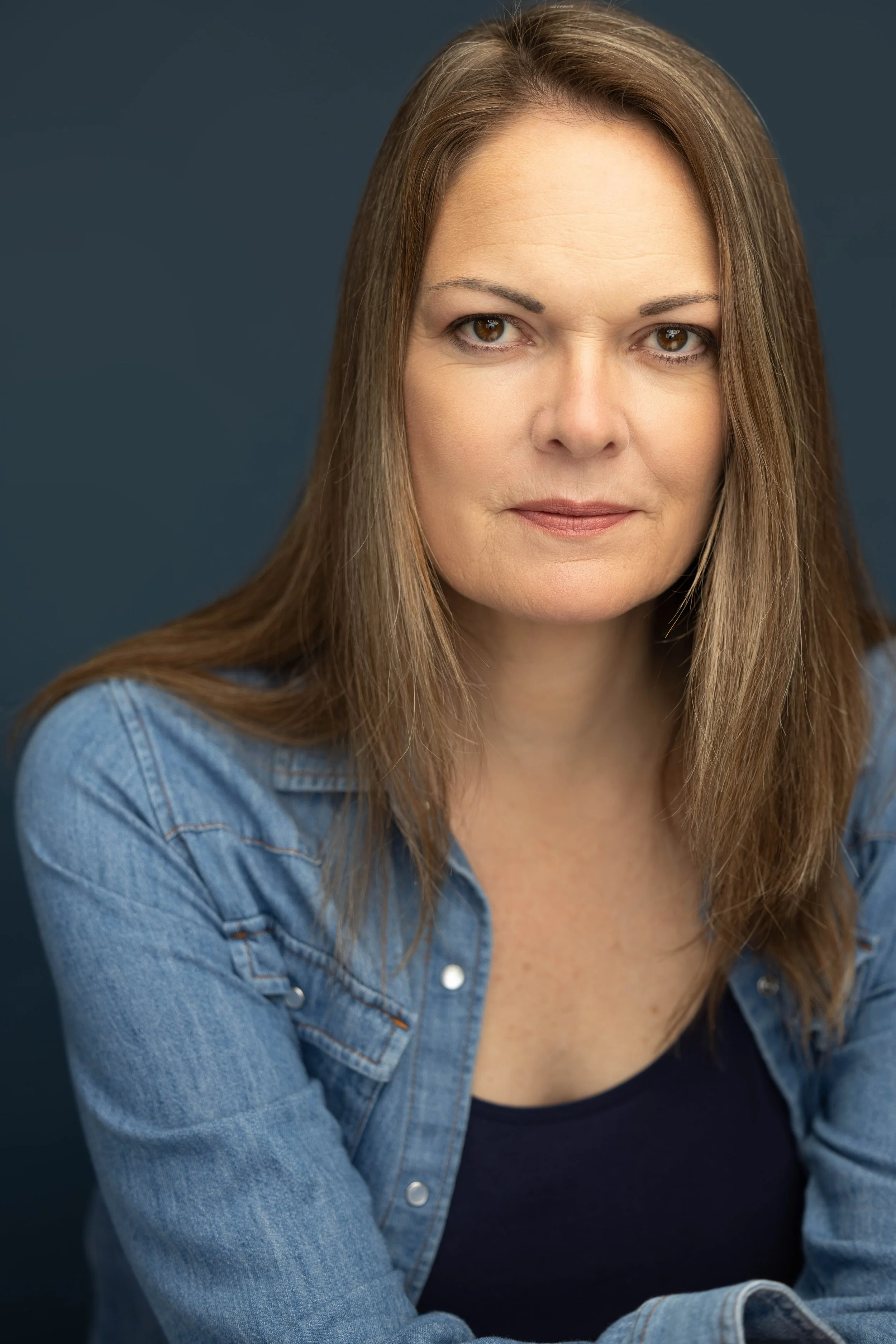
NICHOLE HAMILTON
How real are the women in the play?
The institution is a real place in Ireland, though these women are British. In my research, I haven’t been able to find these particular women, records of them. But I believe they represent women who—well, my character calls it “incarceration”—were being held in a hospital setting because of what society deems as unsavory, inappropriate. This has caused them to be locked away for years and years.
How long were they held prisoner to society’s misjudgements?
We start the play in 1924, although my character has already been there for two years. They are finally released in 1972…fifty years of their lives before they get their freedom, get where they want to be. At the same time, that [outcome] poses its own problems.
This play speaks honestly to events in the past; how does it speak to current events or to the future?
The play is about lived experience, and it’s about one’s own way of entering the narrative, when they view it…what you make of it, what they [the audience] take away as a result. I definitely think there will be comparison and contrast to how we view the status quo now. For me, it’s topical because it’s about survival; how do you survive adversity by being resilient? In a lot of ways, it also speaks to “theatre,” to drama therapy. That is, using the imagination, using creative means, to keep the mind from going down horrible paths.
So, do the characters in the play find a semblance of freedom through creativity and imagination?
I think that, for Dora, it’s about courage; for Persephone, for a time, it’s about hope. That courage is about women who are resilient. She takes on the role of a soldier who is brave. She is role-playing courageous behavior, keeping her guard up. For her, it's a battle of the mind.
That sounds rather serious! How does the humor in the play offset such intense themes?
That’s the beauty of [playwright] Charlotte Jones; she sprinkles enough comedy in there to take care of her audience, to keep us amused, bemused, able to find the light in the darkness. Dora has a line at the beginning, “You find ways of getting through.” This play is really good about asking how we lift each other up, reminding us that we are not alone.
FUSION Theatre Company presents AIRSWIMMING
Thursday, March 19, 2026, 7:00 PM through Sunday, March 29 at 3:00 PM
FUSION | The Cell
700 1st Street Northwest, Albuquerque, NM
Performances will be from March 19–29, on Thursdays & Fridays at 7 PM, Saturdays at 2 PM & 7 PM, and Sundays at 3 PM. Opening night features a pre-show reception with doors opening at 6 PM!
Tickets here.