

GAZING into the Interior Light
NEWS | TUESDAY, JUNE 30 | BY FUSION STAFF WRITER, RUDOLFO CARRILLO
You asked for engaging, thought-provoking theatrical experiences. FUSION has brought those experiences to you, oh audiences of Albuquerque, New Mexico, and the world! Now, in a provocatively compelling move meant to cement that cultural legacy and further promote the sustainability of such an inclusive, collaborative vision of “Arts for a New Era,” FUSION Theatre Company presents GAZING, a candid and relevant exploration of concepts such as point of view, the art world as viewed through the depiction of the American landscape (past and present, colonialist and restoratively resistant), the innocent yet true perceptions of childhood experience, and the importance of nature itself.
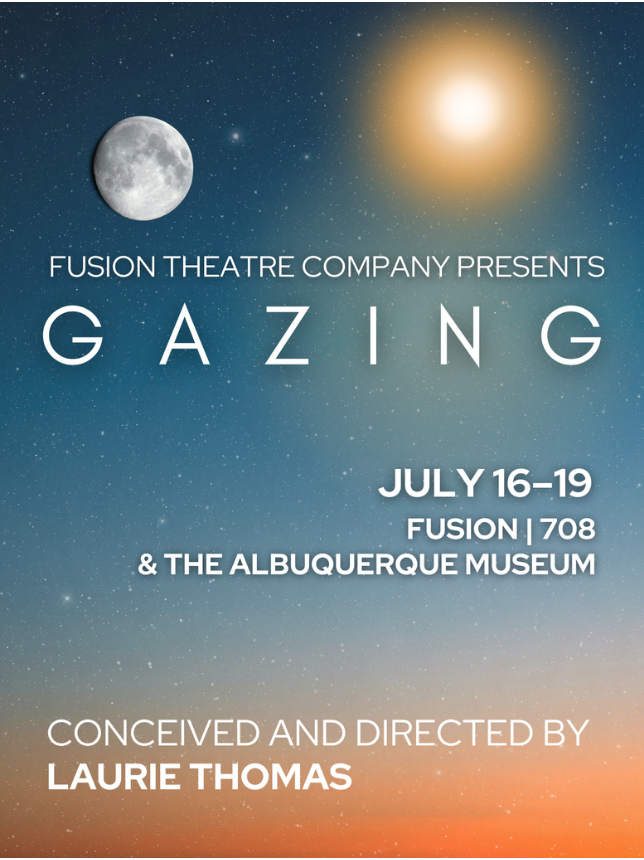
GAZING premieres on Thursday, July 16, at 7:00 PM, when FUSION takes up residence, in situ, at the Albuquerque Museum, in coordination with an exhibit entitled The Woods Before Sunrise: Environment and Place in New Mexico’s Black Contemporary. The production, conceived and directed by FUSION co-founder Laurie Thomas, will also be presented on campus at FUSION’s home, 708 1st Street NW, on Saturday, July 18, at 7:00 PM before returning to the museum for a Sunday, July 19, matinee scheduled to begin at 2:00 PM.
The art exhibit, as the museum’s website told us, “showcases the work of nine contemporary artists whose interpretations of the local environment appeal to universal themes of sustainability, cultural history, and a personal connection to nature. Working across a wide array of mediums, these artists collectively ask: What makes a ‘landscape’—and who gets to decide?”
That last bit is of major importance, dear reader: the “who gets to decide” concept plays a major role in setting and defining the themes and actions manifested in Thomas’ latest foray into meaningful and culturally transcendent theatre.
In order to sort out all those cultural, theatrical, and artistic concepts, I took some time to speak with the playwright, Laurie Thomas, who explained her new work in illuminating terms. Read on to get into that groove, so that your next step after reading involves embracing and supporting the work of a professional theatre company that is committed to bringing a new era of light and understanding to the community it serves.
Rudolfo Carrillo: Laurie, could you please tell me more about GAZING?
Laurie Thomas: Well, interestingly, it’s about exploration of the interior through the exterior world, meaning the natural world. We have a structure for the piece; all the real, creative collaboration is going to be done in the rehearsal period. The actors do have some prompts to think about and so forth, but it all coalesces and comes together next week.
How did an exhibit at the Albuquerque Museum inspire this intensive and collaborative theatrical exploration?
The piece was inspired, or is inspired, I should say, by one of the Albuquerque Museum’s exhibits, The Woods Before Sunrise, Environment and Place in New Mexico’s Black Contemporary. These artists, though they may have been born and lived and even trained elsewhere, found their way to New Mexico to pursue their creative journeys and careers here. The artists very specifically and intentionally look at landscape painting—sort of classic landscape painting in dialogue and contrast with what I think we [American culture and Americans] still, to a certain extent as a nation, hold up as exemplary landscape painting. That’s the Hudson Valley School; 19th century painters like Thomas Cole and Asher B. Durand.
Those White, 19th-century painters were very connected with the notion of Manifest Destiny, a colonialist concept that signaled hegemonic control of American culture and its expansion, que no?
Exactly. So their landscapes tended to reflect a certain grandiosity, one might say, or romanticism, particularly their landscapes of the West. They believed that [White] American ideals needed to be brought from one coast to another, all the way from the Atlantic to the Pacific. Those beliefs, that ideology, created a tremendous amount of displacement, suffering, and heartache for many, many people as the drive West took place. So Black contemporary artists are looking at the landscape, looking very specifically at the notion of Manifest Destiny and its underpinnings in that 19th-century school of landscape painting. They’re responding to all of that in their own works. They’re responding to the notion of Manifest Destiny, the way that was depicted by painters like Thomas Cole, and the colonialism and marginalization that resulted.
What are those responses, those acts of resistance, about?
Within that dialogue, a lot of things are considered by the artists in the Albuquerque Museum exhibit: ownership of the landscape; who is depicted in the landscape; who gets to depict the landscape. Those aspects are often driven by art culture, normative culture, the purchase and sale of artwork, commodification of that work.
How does your new dramatic work intersect with such ideas?
We will ask whose point of view or whose perspective is most true to the depiction of the natural environment, the landscape throughout this country?… How is this place, this country, this landscape, this environment, this earth that we inhabit seen? From what or whose perspective? How does the depiction, particularly the artistic depiction of the natural world, shift between such viewpoints and perspectives? We’re exploring all of that.
Okay, I’m starting to get it. The actors are going to be discussing and dialoguing about these very important currents and undercurrents in American culture, right?
The plan is to have them dialogue with the audience. How are they going to deal with these ideas? There’s a storyline, there’s a structure that holds the piece together; the three actors [Imani Caldwell, Ashley Deleona, and Wendy Scott] find each other in a sort of intersection of art history training and museum docent training. That’s the context in which they explore these issues. I studied art history in college. I’ve always been interested and at odds with intermediaries between the audience and the viewer and the actual artwork…whether that [intermediary] is an art historian or an art critic, or the docent who is there to try and provide context and maybe a little, a little bit of education These creative endeavors are done with the best of intentions: to enlighten, to add depth to the experience of the art, to allow a way in for people.
So why is this piece important for people to engage in now? And why should people engage in this kind of cerebral and socially conscious theatre?
Because it causes people to think and it calls upon them to think critically about what’s going on, not just in the art world, but also in the world at large.
What would you say is an example of the sort of critical thinking that arises from your new production?
One of the biggest changes since the Hudson River School is in our technology. How are we connecting with the natural world? Is it actually through spending time out in nature, in the landscape, or is it finding those images on a screen in your room, in your private life, without ever going out and putting a bare foot on the bare ground? Are you actually experiencing the landscape one-on-one, living in the environment, in the natural world, or are you using your devices to go to someplace that is more exotic or inviting? Are you traveling through your phone? Are you in the forest bathing through an app? These issues are multi-dimensional and I think that’s interesting and worth exploring. Meanwhile, the forest becomes a more a exotic place, a precarious place, a place we may lose.
So, if you are out in the real world, you’re playing and enjoying and experiencing things as a human being should. When you settle for mediated experiences, who knows what’s going to happen, que no?
We’re also touching upon childhood, speaking of play. Believe it or not, all four of us [in the production] are old enough to still have experiences as kids, just going out and playing out in the natural environment. So we're trying to sort of wrestle with those memories, that innocence because those experiences can be extremely freeing.
Finally, I want to ask you, what should theatre patrons, what should people coming to FUSION expect? What are they going to learn or what do you want them to come away with as they experience GAZING?
I think that they will be treated to an entertaining journey through the ideas of what gazing involves, past, present, and future: all the way from an idealized or proscriptive notion of that act to an inclusive set of acts now and in that future world. That is, to have a concentrated focus on something that you find beautiful or awe-inspiring; the idea of gaze as a socio-political notion of an unwanted or even controlling or predatory act, like the male gaze or the colonial gaze. There is a spectrum to all of that; that spectrum lies within your own intimate personal point of view and how that place inside of you, that point of view—that place where what you take in, what you see, what you observe, where it’s processed and where it’s held, both with awe and memory, and sometimes even yearning for—is a very unique part of being human. I think that you’ll come out of this production intrigued by your own point of view and celebrating it.
FUSION PERFORMANCE
FUSION | 708
708 1st St. NW
Albuquerque, NM 87102
Free parking is available in and around our lot!
ALBUQUERQUE MUSEUM PERFORMANCES
Thursday, July 16, 7:00 PM
Sunday, July 19, 2:00 PM
Albuquerque Museum
2000 Mountain Rd NW
Albuquerque, NM 87104
Thanks to The City of Albuquerque, tickets are FREE or Pay What You Wish, and all are welcome to come be inspired!
GAZING CONTRIBUTORS
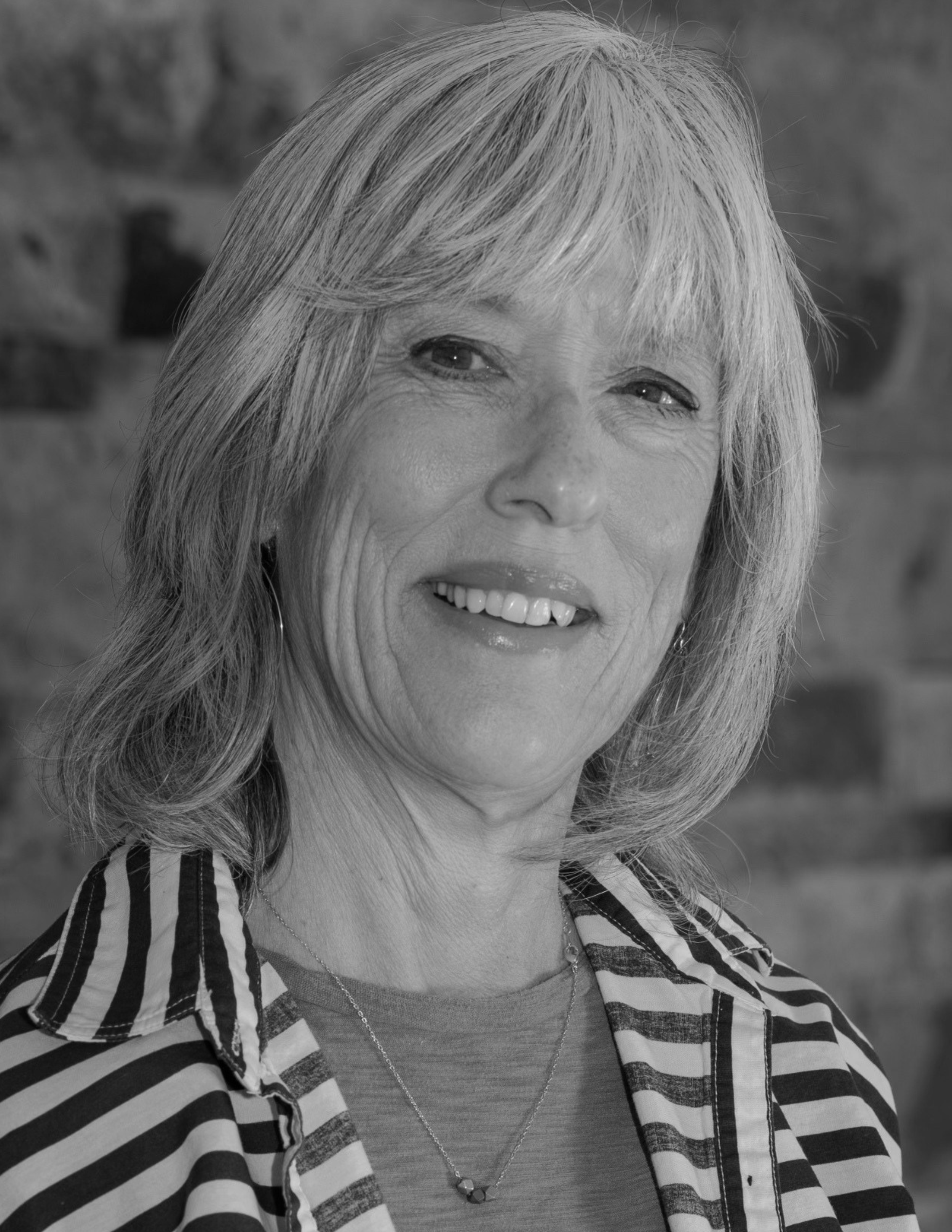
CONCEIVED AND DIRECTED BY LAURIE THOMAS
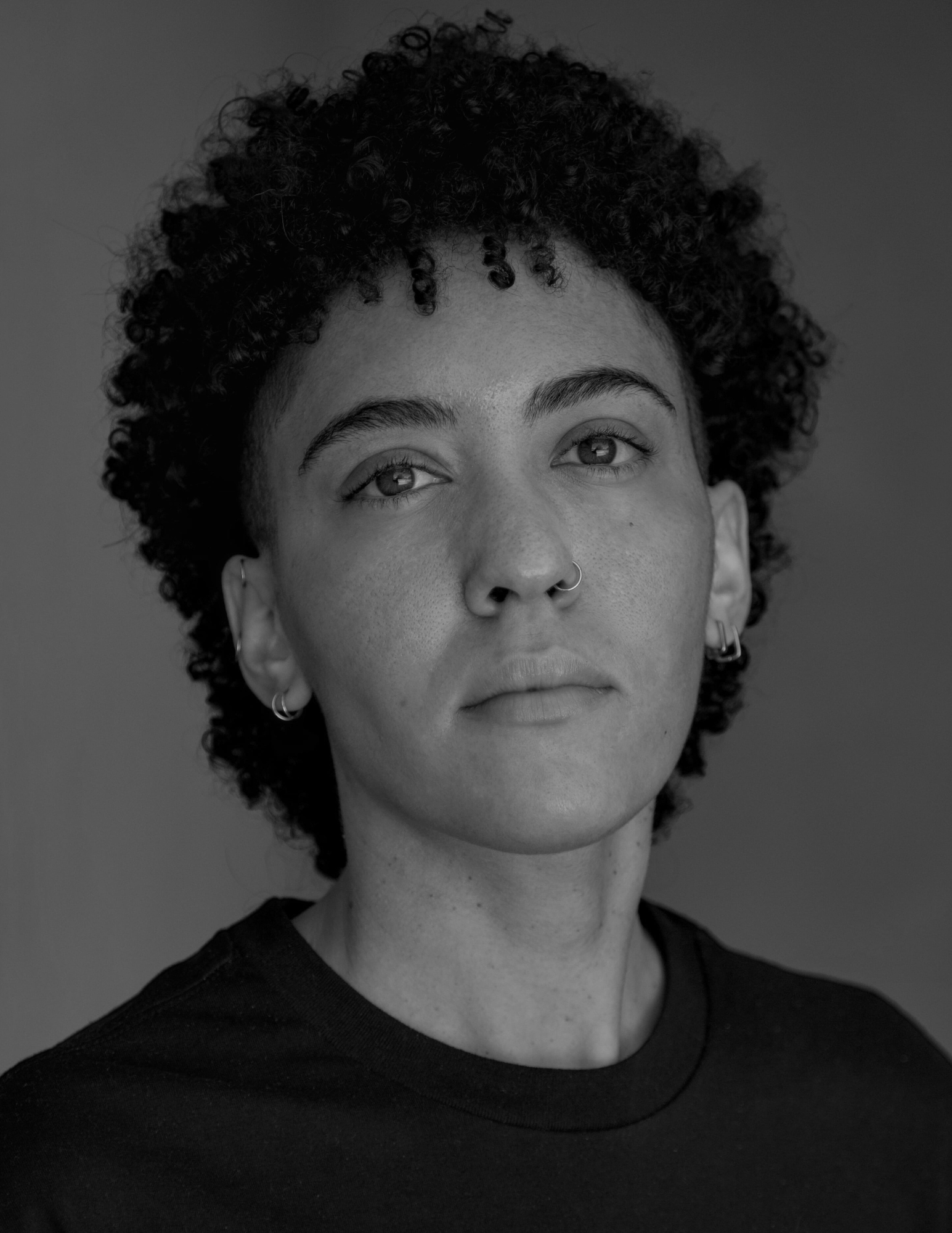
IMANI CALDWELL
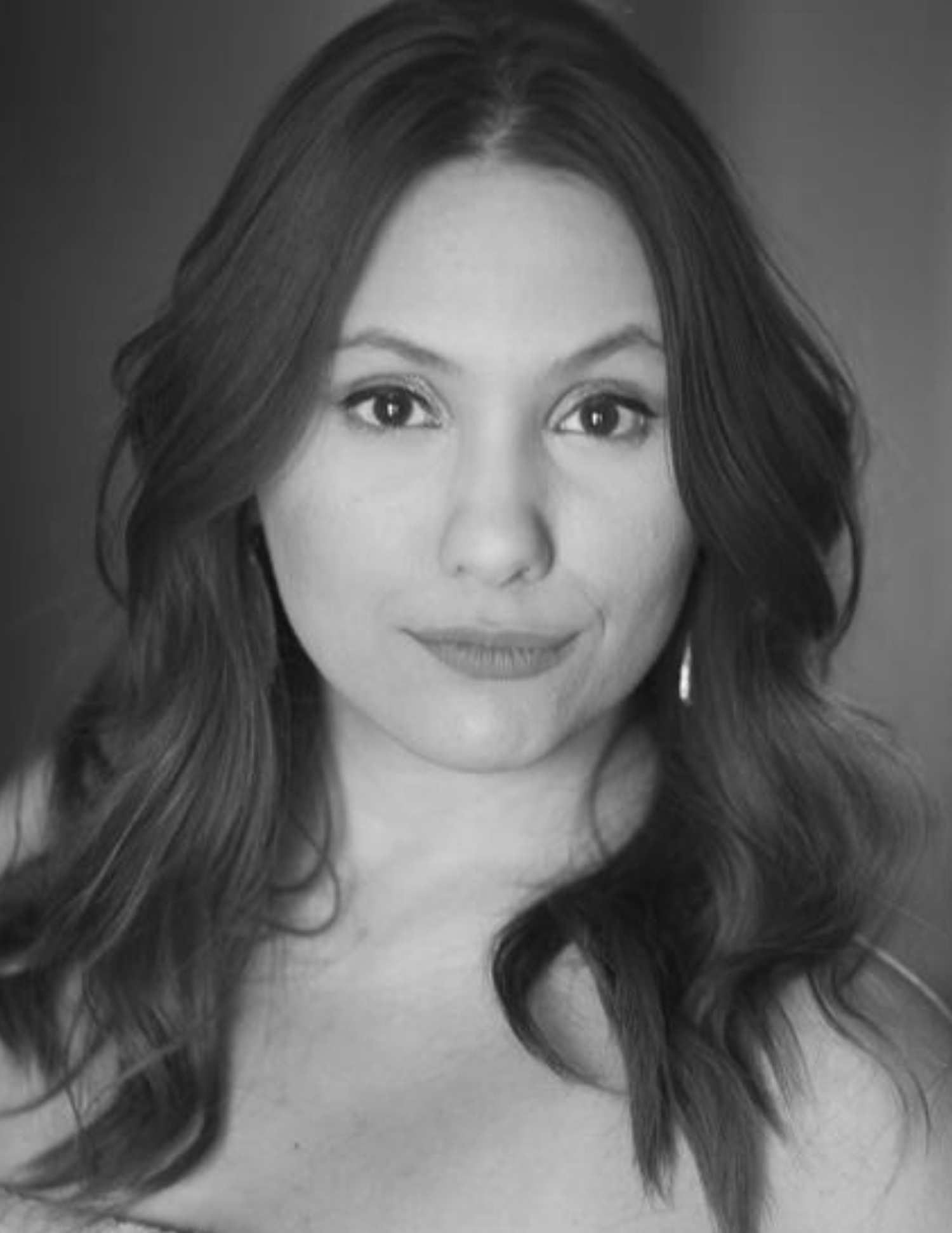
ASHLEY DELEONA
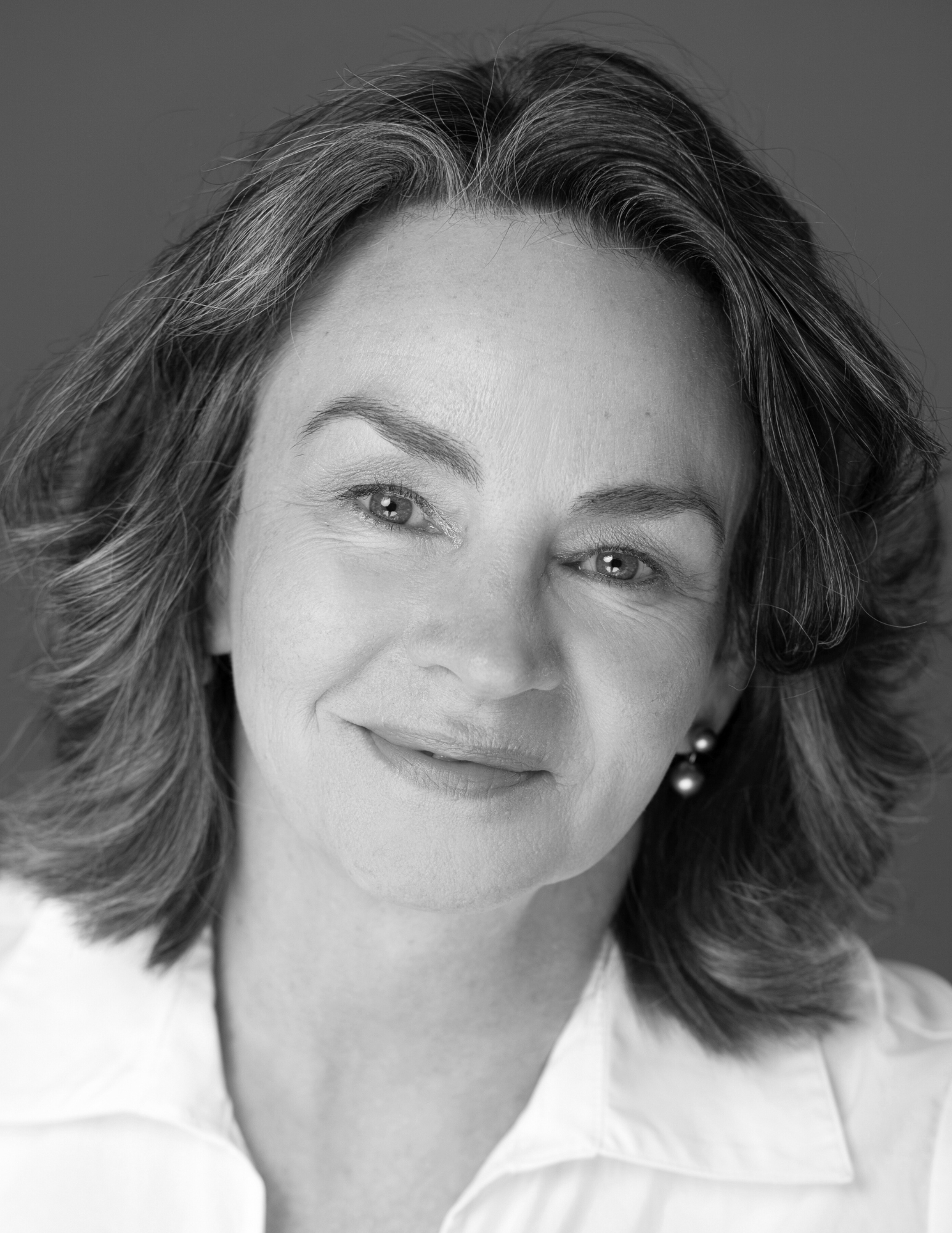
WENDY SCOTT